



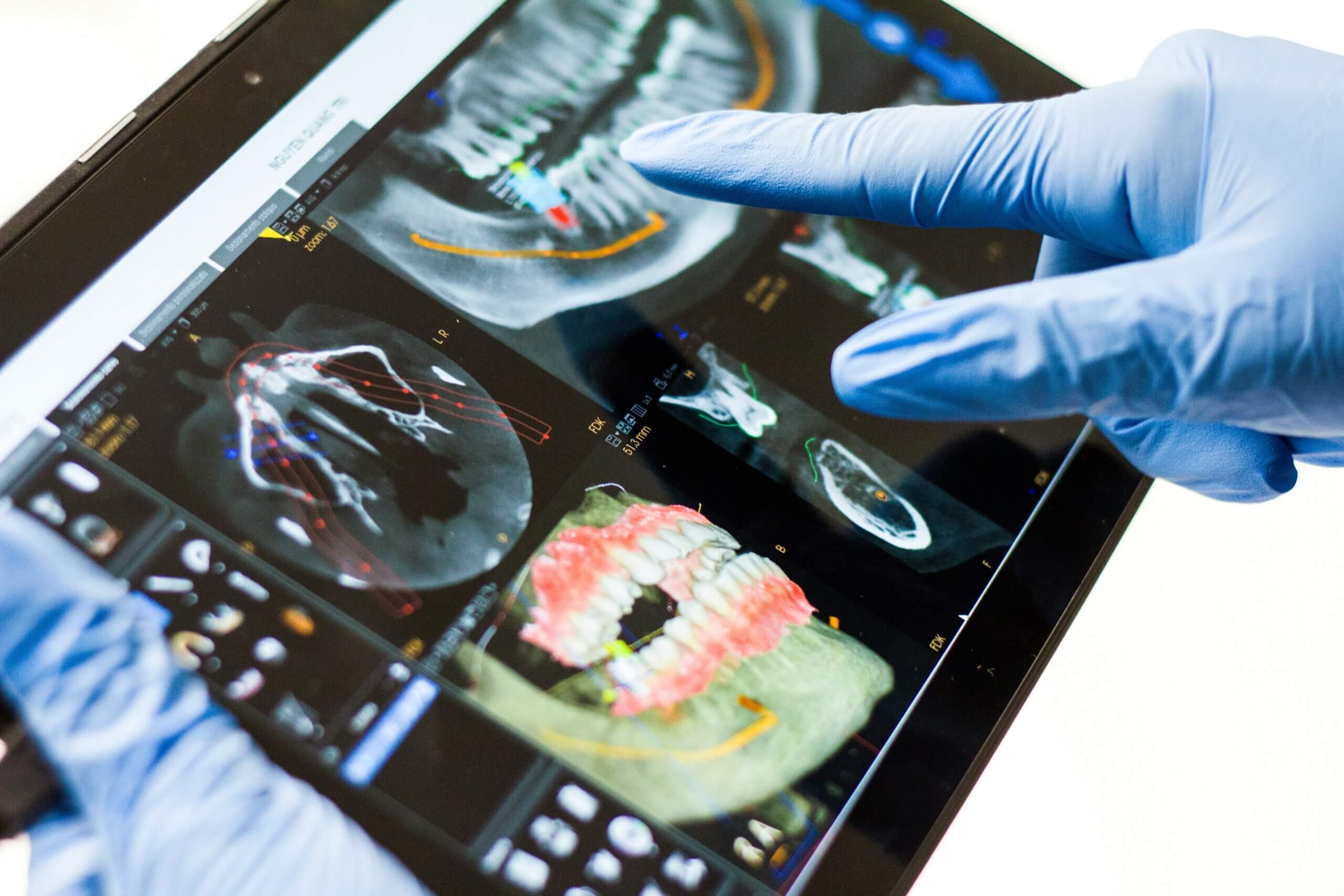
A Oral Cancer Screening Guide
Oral cancer is often called a “silent” disease as it can develop without any apparent signs or symptoms in its early stages. In fact, oral cancer is the sixth most common form of cancer in the world, responsible for thousands of new cases each year.
With so many cases going undetected until they are more advanced, regular oral cancer screenings are essential for better outcomes. You might be thinking, “I don’t feel any pain or notice anything unusual, so why should I bother?” Well, that’s precisely why screenings are so important, as they help spot potential problems before they become serious.
Let’s break down what oral cancer screenings entail, and how these appointments with your Melbourne FL dentist can help you take control of your oral health.
What Is Oral Cancer?
Oral cancer refers to cancer that develops in the mouth or throat. It can affect the tongue, gums, lips, cheeks, or the floor or roof of the mouth. This condition can have various causes but is often linked to lifestyle choices and environmental factors. One of the most well-known causes is tobacco use, whether smoking cigarettes, cigars, or using smokeless tobacco. Excessive alcohol consumption can also increase your oral cancer risk.
What Is an Oral Cancer Screening?
An oral cancer screening is a simple, non-invasive exam that your Melbourne, Florida dentist performs to check for signs of cancer or precancerous conditions. These screenings typically involve a visual inspection of your mouth, lips gums, cheeks, and throat, as well as a physical exam where the healthcare professional may feel around your neck, jaw, and under your chin for any lumps or unusual swellings.
Why Are Oral Cancer Screenings Important?
Oral cancer can develop quickly, and unfortunately, it often goes unnoticed until it’s advanced. That is why screenings are so important in helping to detect potential problems before they become life-threatening. When oral cancer is caught early, the survival rate is much higher, with survival rates as high as 90 percent for early-stage cancers.
But that’s not all. Oral cancer screenings also help detect other conditions, such as gum disease, oral infections, or benign growths that may need treatment. Even if you’re not directly concerned about oral cancer, regular screenings can contribute to your overall oral health and well-being.
Who Should Get an Oral Cancer Screening?
The American Dental Association (ADA) recommends getting an oral health screening at least once per year. However, more frequent screenings may be recommended if you are identified as being at a higher risk. Your risk may be elevated if you:
- Use tobacco products
- Drink alcohol heavily
- Have a history of oral cancer in your family
- Have been exposed to HPV (human papillomavirus), especially HPV-16, which has been linked to oropharyngeal cancers
- Are over the age of 40
Even if you’re young, healthy, and have no known risk factors, oral cancer screenings are a smart preventative measure.
How Often Should You Have an Oral Cancer Screening?
Your dentist will be the best person to recommend a screening schedule based on your individual risk factors. Typically, if you’re at average risk, an annual screening is sufficient. However, if you have risk factors, you may need more frequent screenings, such as every six months during your routine dental teeth cleaning appointment.
If you notice any symptoms, such as persistent mouth sores, a lump in the neck, pain when swallowing, or unexplained bleeding, schedule an appointment with your dentist or doctor as soon as possible.
What Can You Expect During an Oral Cancer Screening?
1. Visual Exam: Your dentist will look inside your mouth and examine your lips, gums, tongue, and the roof and floor of your mouth for sores, discoloration, or abnormal growths.
2. Physical Exam: Your dentist may feel along your neck, jawline, or under your chin to check for lumps or irregularities.
3. Oral Cancer Screening Devices: Your dentist may use special tools such as a light or dye to help identify abnormal tissue that might not be visible to the naked eye.
4. Referral to a Specialist: If anything unusual is found, you may be referred to an oral surgeon or an oncologist for further tests.
Schedule an Oral Cancer Screening Today
Oral cancer may not always present obvious symptoms, but that doesn’t mean you shouldn’t stay vigilant. Make an appointment with the friendly and knowledgeable dental team at Artistic Touch Dentistry.